Understanding Comprehensive vs. Collision Coverage: What You Need to Know
Introduction to Vehicle Insurance Coverage
When it comes to protecting your vehicle, understanding the differences between comprehensive and collision coverage is crucial. Both types of insurance offer protection in various scenarios but cover different risks associated with owning and driving a car. This article will delve into the specifics of each coverage type, helping you make an informed decision about the insurance that best fits your needs.
What is Comprehensive Coverage?
Comprehensive coverage, often referred to as "other than collision" coverage, protects your vehicle against a wide range of incidents that can happen while it's parked or in motion. This type of insurance is designed to cover scenarios beyond accidents involving another vehicle.
Scenarios Covered by Comprehensive Insurance
- Theft
- Vandalism
- Fire
- Natural disasters (e.g., hurricanes, earthquakes, floods)
- Falling objects
- Animal damage
Comprehensive coverage is optional unless required by a lender or leasing company. It's a wise choice if you want to protect your investment from non-collision related risks.
Understanding Collision Coverage
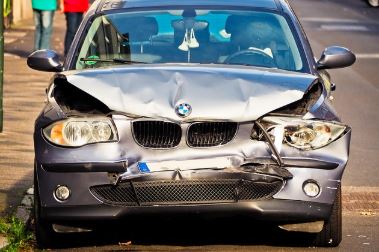
Collision coverage is specifically designed to cover damage to your vehicle resulting from a collision, whether it's with another vehicle, a tree, a street light, or other objects. It also covers damage from potholes or from rolling your car over. This type of coverage is essential for repairs or the replacement of your vehicle after an accident.
How Collision Coverage Works
After an accident, you would file a claim with your insurance company. Once your claim is approved, collision coverage will help pay for the repairs or replacement of your vehicle, minus your deductible. Like comprehensive coverage, collision is often required by lenders if you're financing or leasing your vehicle.
Comparing Comprehensive and Collision Coverage
While both comprehensive and collision coverage are vital for protecting your vehicle, they serve different purposes. The primary difference lies in the nature of the events they cover. To simplify:
- Comprehensive coverage is for almost everything that isn't a collision.
- Collision coverage is specifically for collisions.
Choosing between the two isn't an option in most cases, as they complement each other. However, understanding the nuances can help you decide on the appropriate level of coverage based on your situation.
Do You Need Both Comprehensive and Collision Coverage?
Determining whether you need both types of coverage depends on several factors, including the value of your vehicle, your financial situation, and your risk tolerance. If you have a new or expensive car, maintaining both comprehensive and collision coverage is advisable to protect against significant financial loss.
Factors to Consider
- Vehicle value: More expensive vehicles typically warrant both types of coverage due to the higher cost of replacement or repairs.
- Financial situation: If you're not in a position to replace or repair your vehicle out-of-pocket after an incident, both coverages can offer peace of mind.
- Risk exposure: Consider your daily driving environment and whether it exposes your vehicle to higher risks, such as theft, vandalism, or frequent collisions.
If your vehicle is older and its value has depreciated significantly, you might choose to only maintain comprehensive coverage to protect against non-collision incidents, as the cost of collision coverage might not be justifiable.
Conclusion
[aib_post_related url='/2025/11/20/how-to-choose-the-best-car-insurance-in-2025/' title='Ultimate Guide 2025: How to Choose the Best Car Insurance for Your Needs' relatedtext='Quizás también te interese:']
Choosing the right insurance coverage for your vehicle involves weighing the benefits of comprehensive and collision coverage against your needs and financial situation. Both coverages offer distinct protections that can save you from considerable out-of-pocket expenses in the event of unexpected incidents. By understanding the specifics of each coverage type, you can make an informed decision that safeguards your vehicle and offers peace of mind.
Remember, the goal of vehicle insurance is not just to comply with legal requirements but to provide a safety net that protects your financial well-being in the face of unforeseen events. Therefore, evaluating your need for comprehensive and collision coverage is a critical step in securing that safety net.
Deja una respuesta